

HKUST(GZ) shines at 2026 Greater Bay Area Science Forum
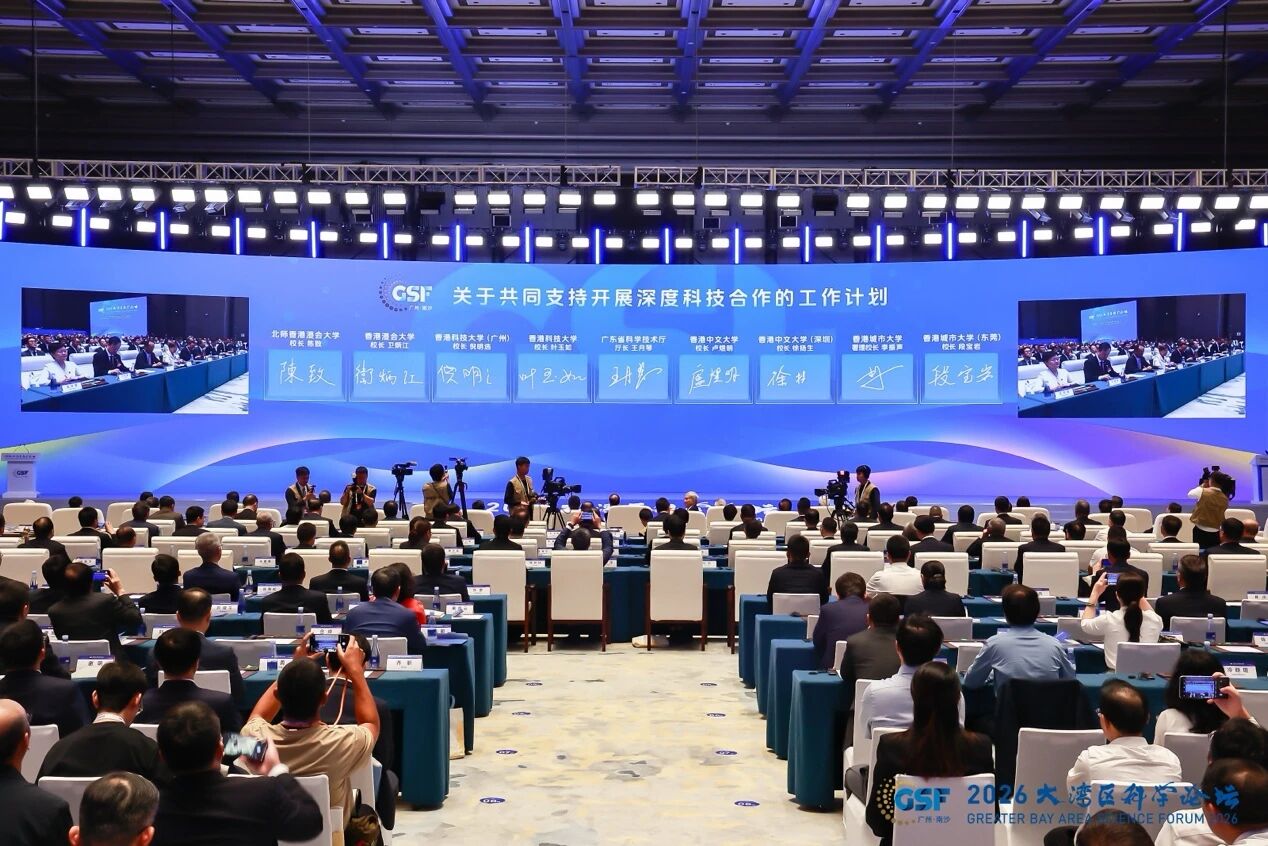
The 2026 Greater Bay Area Science Forum (GSF) opened in Guangzhou on Nov 1. Guided by the Ministry of Science and Technology and the Chinese Academy of Sciences, and co-hosted by the Guangdong, Hong Kong and Macao governments, the forum brought together representatives from government and international organizations, scientists and tech entrepreneurs to discuss future industries and frontier technologies.
The opening ceremony was addressed by Kunming HUANG, secretary of the CPC Guangdong Provincial Committee; John LEE Ka-chiu, chief executive of the Hong Kong SAR, via video; Hou-fai SAM, chief executive of the Macao SAR; Hejun YIN, minister of Science and Technology; Jianguo HOU, president of the Chinese Academy of Sciences; and Chunli BAI, chairman of the GSF. Fanli MENG, deputy secretary of the CPC Guangdong Provincial Committee and governor of Guangdong, presided over the ceremony.
New round of "1+1+1" Joint Funding Program
At the opening ceremony, eight universities and the Department of Science and Technology of Guangdong Province jointly signed a work plan on deep science and technology cooperation, as part of a new round of the "1+1+1" Joint Funding Program. Professor Lionel M. NI, President of HKUST(GZ), signed on behalf of the University. Under the program, professors from HKUST(GZ) and HKUST have collaborated on 54 funded projects over the past two years, all recognized as Guangdong Provincial Science and Technology Program projects.
Research highlights on display
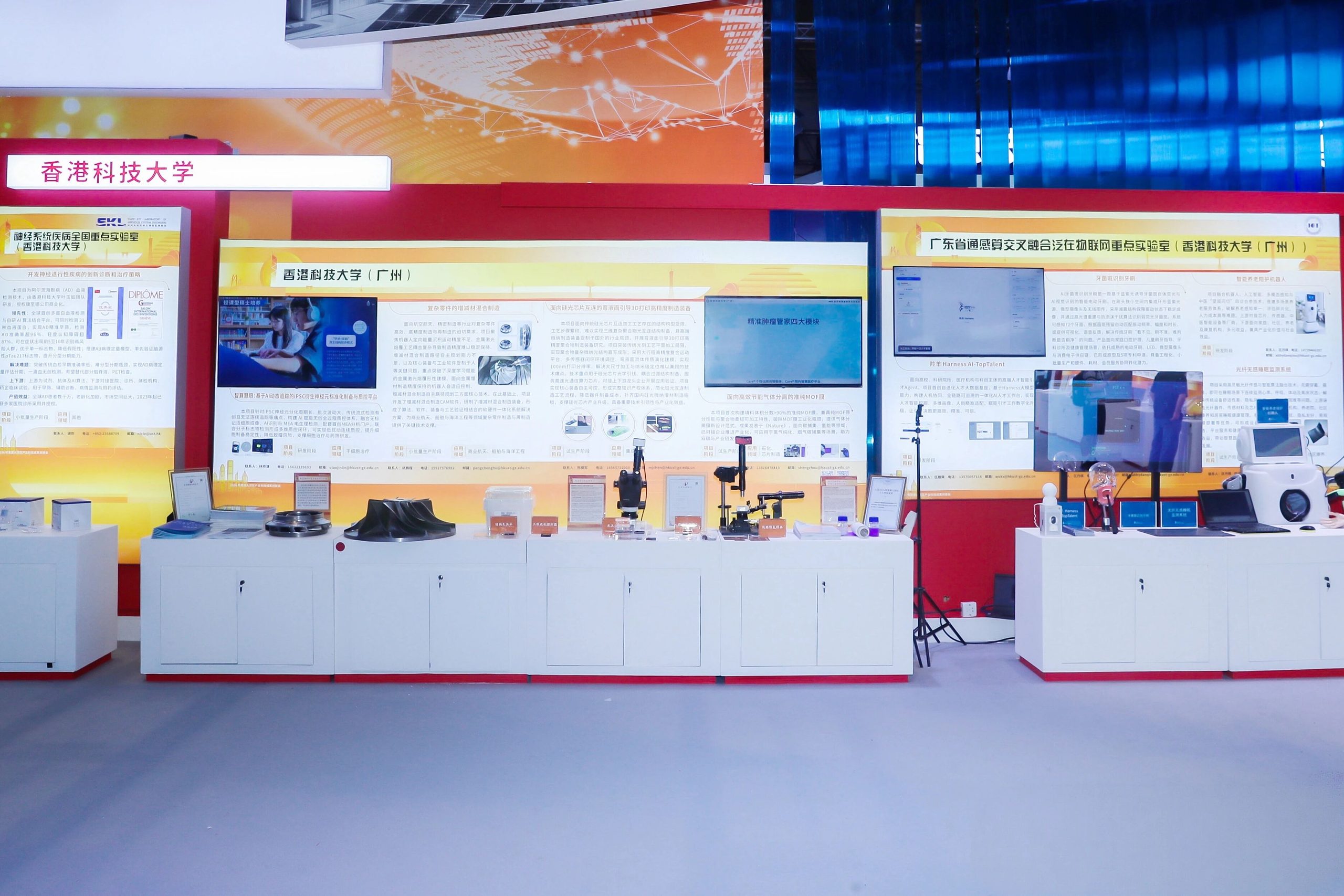
At a matchmaking session for industrial and technological achievements in the Greater Bay Area, President NI introduced a project on hybrid additive-subtractive manufacturing of complex parts, which tackles bottlenecks in aerospace and shipbuilding and has spun off a startup that raised tens of millions of yuan in Pre-A funding.
Other exhibits included meniscus-guided 3D printing equipment for silicon photonic chip interconnection, a quasi-pure MOF membrane gas separation technology published in Nature, and a framework for an AI-native healthcare system. A provincial key laboratory of ubiquitous IoT at HKUST(GZ) also presented people-centered innovations such as a fiber-optic sleep monitoring system and a dental plaque detection toothbrush, both entering trial production.
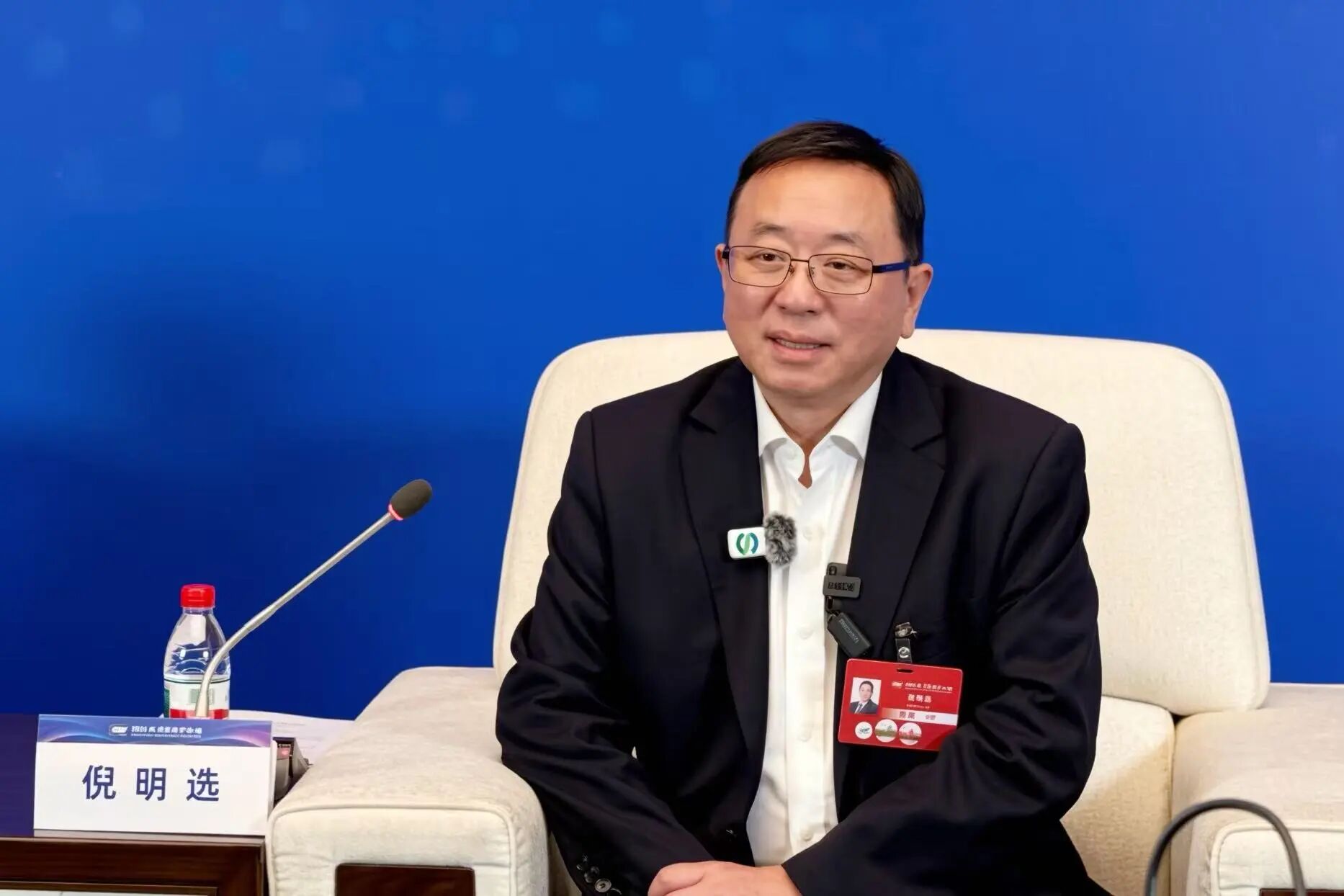
HKUST(GZ) is rooted in Nansha and the wider Greater Bay Area, said President NI, and will keep pushing early-stage research toward real-world application. The event, he added, gives the University a chance to connect more closely with industry needs in Guangdong, so that homegrown technologies can take root in the province and help drive the high-quality development of its advanced manufacturing sector.
Medical-engineering integration sub-forum
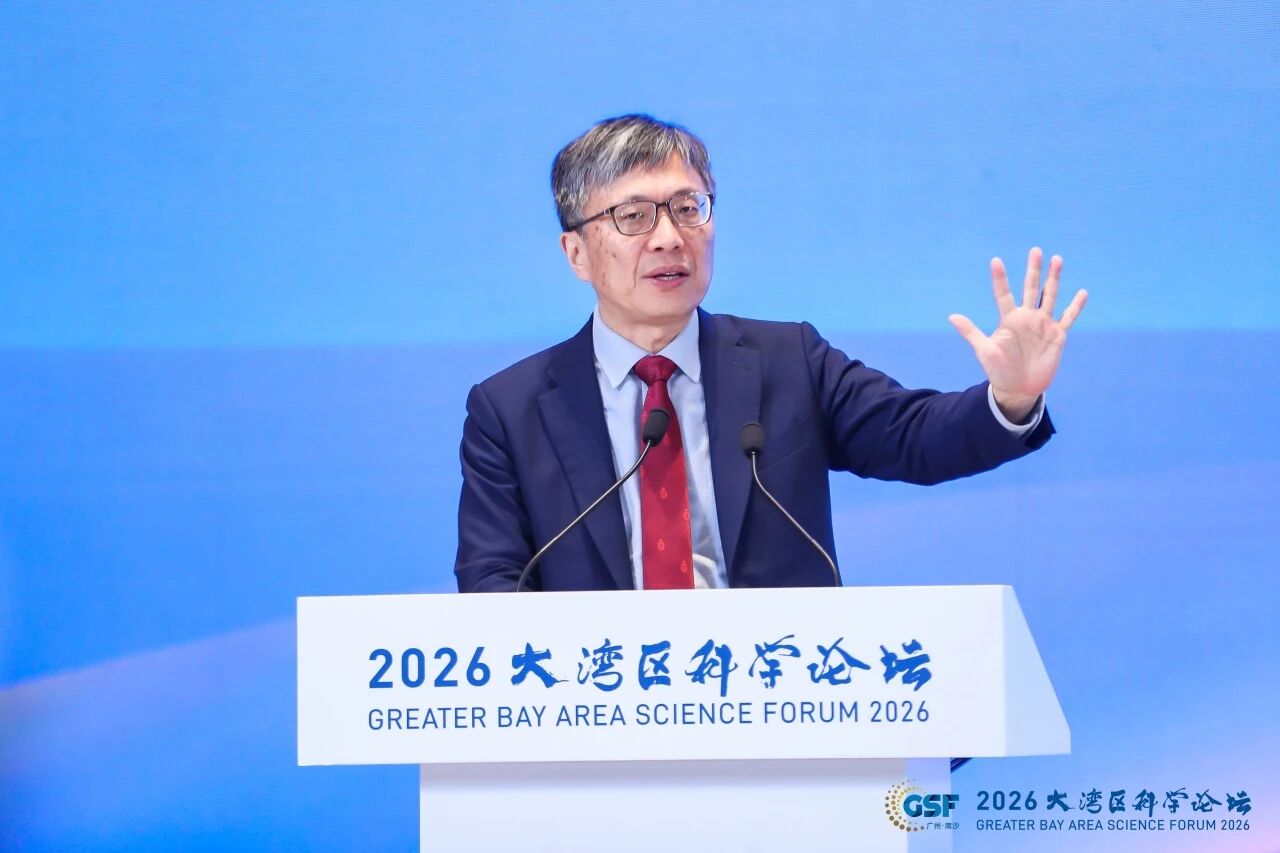
On Oct 31, HKUST(GZ) hosted a GSF sub-forum on medical-engineering integration in Nansha, drawing over 250 participants. Professor Harry SHUM, chairman of the HKUST Council and an academician, delivered a keynote at the sub-forum. This marks the third consecutive year the University has hosted a GSF sub-forum, following the 2024 low-altitude economy and 2025 embodied intelligence forums.
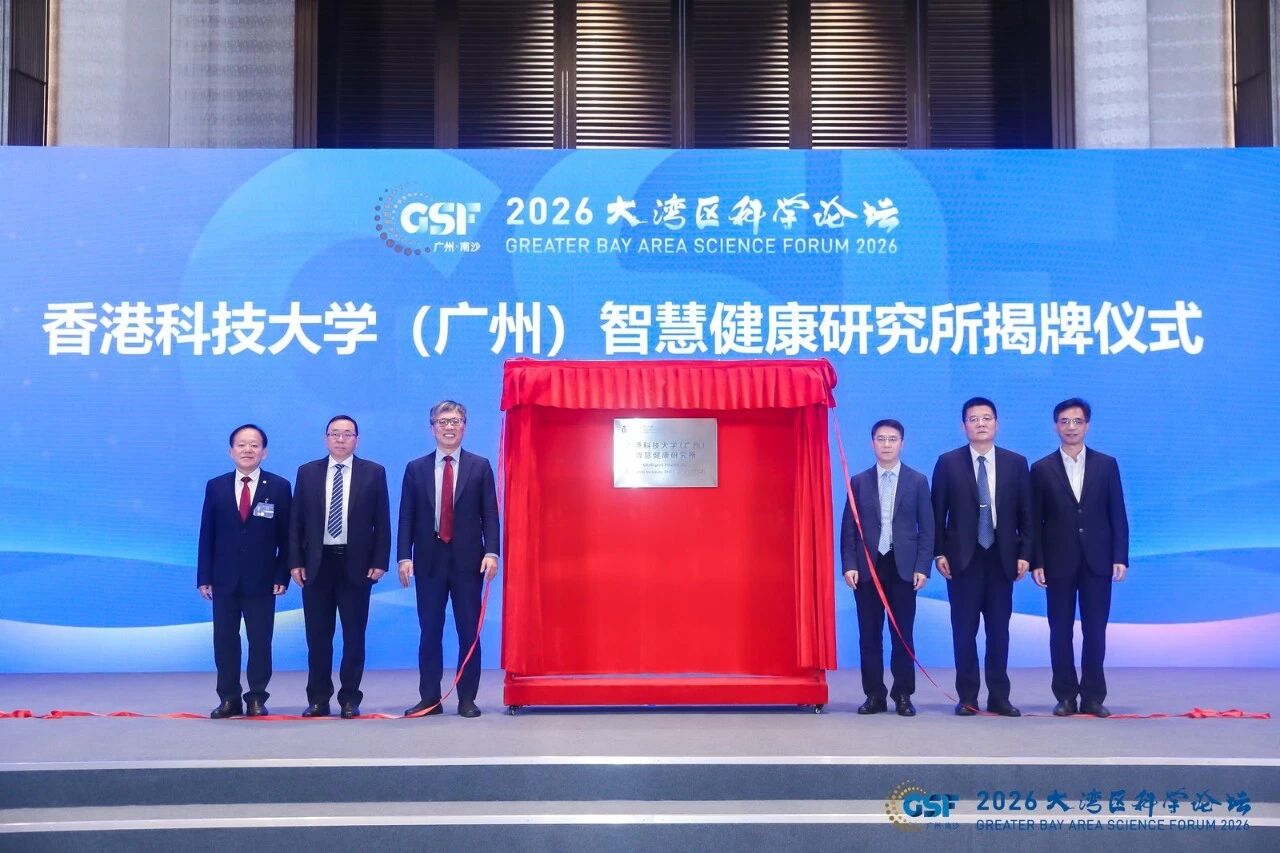
At this year's event, HKUST(GZ) signed agreements with Guangdong Telecom, Bloomage Biotech and Shanghai Smart Logic Technology to build joint laboratories and unveiled the Intelligent Healthcare Research Institute (IHRI) of HKUST(GZ), which will focus on aging-related needs such as neurodegenerative disease screening and age-friendly smart equipment.
On Nov 2, the University co-hosted an AI sub-forum featuring Academician Tongyi ZHANG as a keynote speaker.
Deeply engaged in the GSF, HKUST(GZ) aligns with national strategic needs and the industrial frontiers of the Greater Bay Area, building high-level platforms for academic exchange and technology translation.